

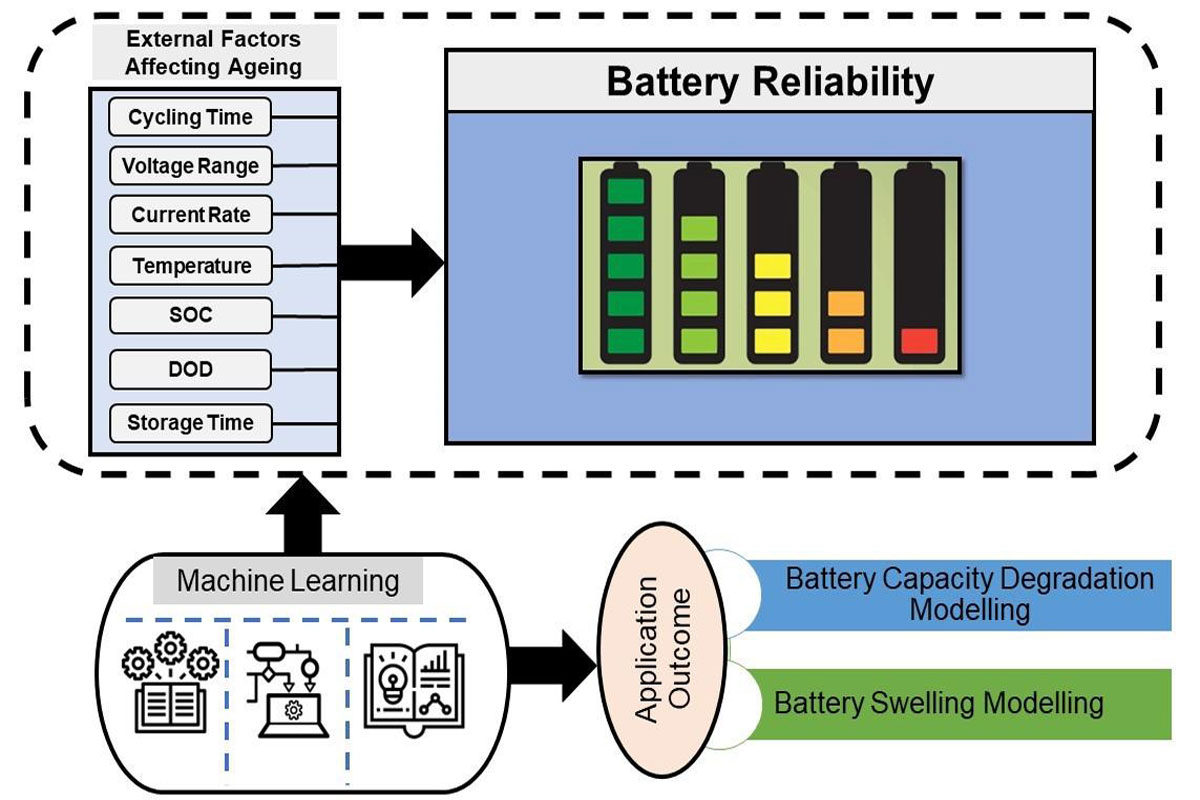
Battery Working Standard in Upcoming Flagship iPhones in 2026
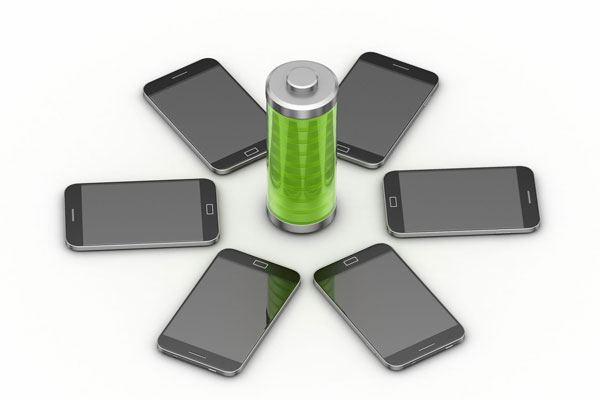
Battery life has become one of the most important factors influencing smartphone purchases. As Apple prepares future flagship iPhones for 2026, expectations are rising for significant improvements in battery efficiency, charging technology, and intelligent power management. Rather than simply increasing battery size, Apple is expected to focus on delivering longer usage times through smarter hardware and software integration.
Advanced A20 Pro Processor Efficiency
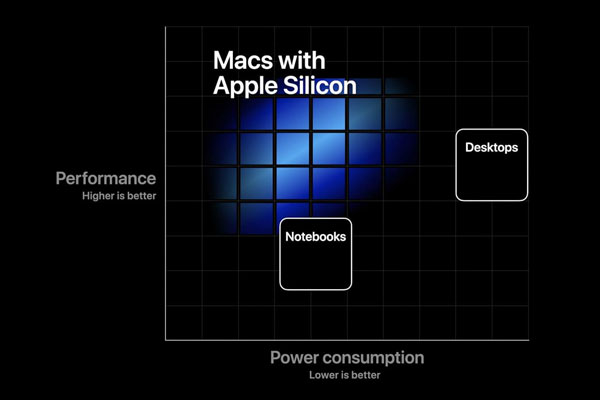
The upcoming flagship iPhones are widely expected to feature Apple’s next-generation A20 Pro chip. Built on an advanced manufacturing process, the processor is likely to consume less power while delivering higher performance.
This improved efficiency means users can enjoy AI-powered features, gaming, video editing, and multitasking without significantly impacting battery life. Every generation of Apple Silicon has delivered better performance-per-watt, and 2026 models are expected to continue that trend.
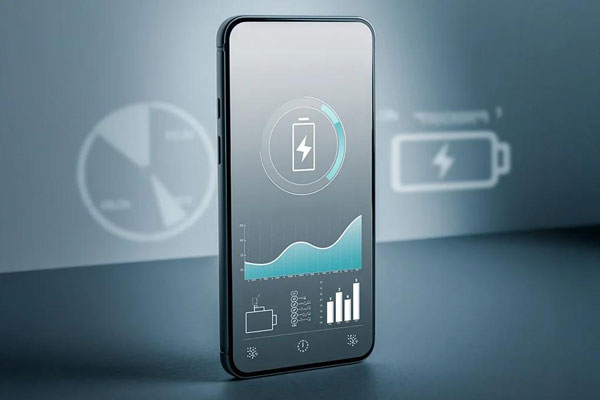
AI-Powered Battery Management
Artificial intelligence is expected to play a larger role in battery optimization.
Future iPhones may analyze user habits and automatically adjust system performance, background activity, and charging schedules. For example, the device could learn when users typically charge their phones and optimize charging speeds to reduce battery aging.
Expected AI battery features include:
- Smart charging optimization
- Adaptive power allocation
- Intelligent app management
- Predictive battery usage estimates
- Automatic energy-saving adjustments
All-Day Battery Standard
Industry analysts expect flagship iPhones in 2026 to target a full day of intensive usage.
Typical daily activities may include:
- Video streaming
- AI-powered productivity tools
- 5G connectivity
- Gaming
- Navigation
- Photography and video recording
Users may expect between 24 and 36 hours of mixed-use battery performance depending on the model.
Faster and Smarter Charging
Charging technology is expected to evolve further in 2026.
Potential improvements include:
- Faster wired charging
- Enhanced MagSafe wireless charging
- Better thermal management
- Reduced charging degradation
- More efficient energy transfer
Apple is also expected to continue focusing on battery health preservation rather than simply maximizing charging speed.
More Efficient Displays
The display remains one of the largest consumers of battery power.
Future flagship iPhones may utilize:
- Next-generation OLED panels
- LTPO technology
- Dynamic refresh rates
- Improved brightness efficiency
The display could automatically adjust refresh rates between 1Hz and 120Hz depending on content, conserving energy when full performance is unnecessary.
Better Connectivity Efficiency
Future iPhones are expected to feature upgraded modem technology that reduces power consumption while maintaining faster network speeds.
Benefits may include:
- Improved 5G efficiency
- Better Wi-Fi performance
- Longer battery life during streaming
- Lower standby power consumption
- Enhanced signal management
Improved Battery Health Standards
Apple continues to prioritize long-term battery durability.
Upcoming flagship iPhones could maintain a higher percentage of original battery capacity after several years of regular use through:
- Smarter charging algorithms
- Temperature monitoring
- Optimized charging limits
- Improved battery chemistry
Concluding Remarks
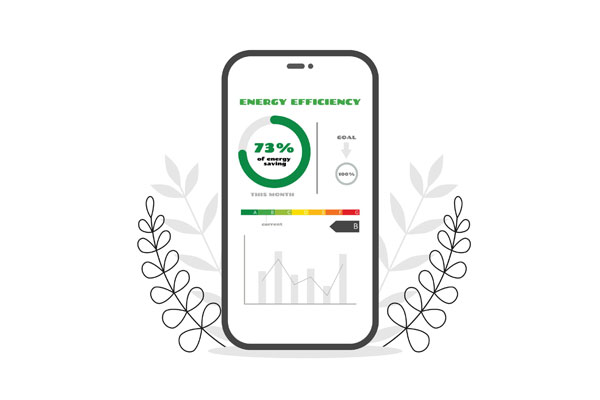
The battery standard for flagship iPhones in 2026 will likely focus on efficiency rather than size. Apple’s strategy appears centered on combining advanced silicon, artificial intelligence, smarter displays, and optimized software to deliver longer battery life without increasing device thickness.
If current expectations prove accurate, 2026 could bring some of the most power-efficient iPhones ever released, enabling users to enjoy advanced AI capabilities, professional photography, and high-performance applications throughout the day on a single charge.